Trending

Nourishing Your Body: Creative Ways to Boost Vitamins Intake with Protein Powder and Vegetables

|
|
It takes approx. 2 minutes to read this article

In today’s fast-paced world, maintaining a balanced and nutrient-rich diet can be a challenge. Vitamins play a crucial role in keeping our bodies healthy and functioning optimally, but getting the recommended daily intake can be easier said than done. However, there are innovative ways to ensure your body receives the essential vitamins it needs. One such approach involves incorporating protein powder with vegetables into your daily routine. This powerful combination not only provides your body with essential nutrients but also offers a convenient and versatile option for even the busiest of lifestyles.

The Power of Protein Powder

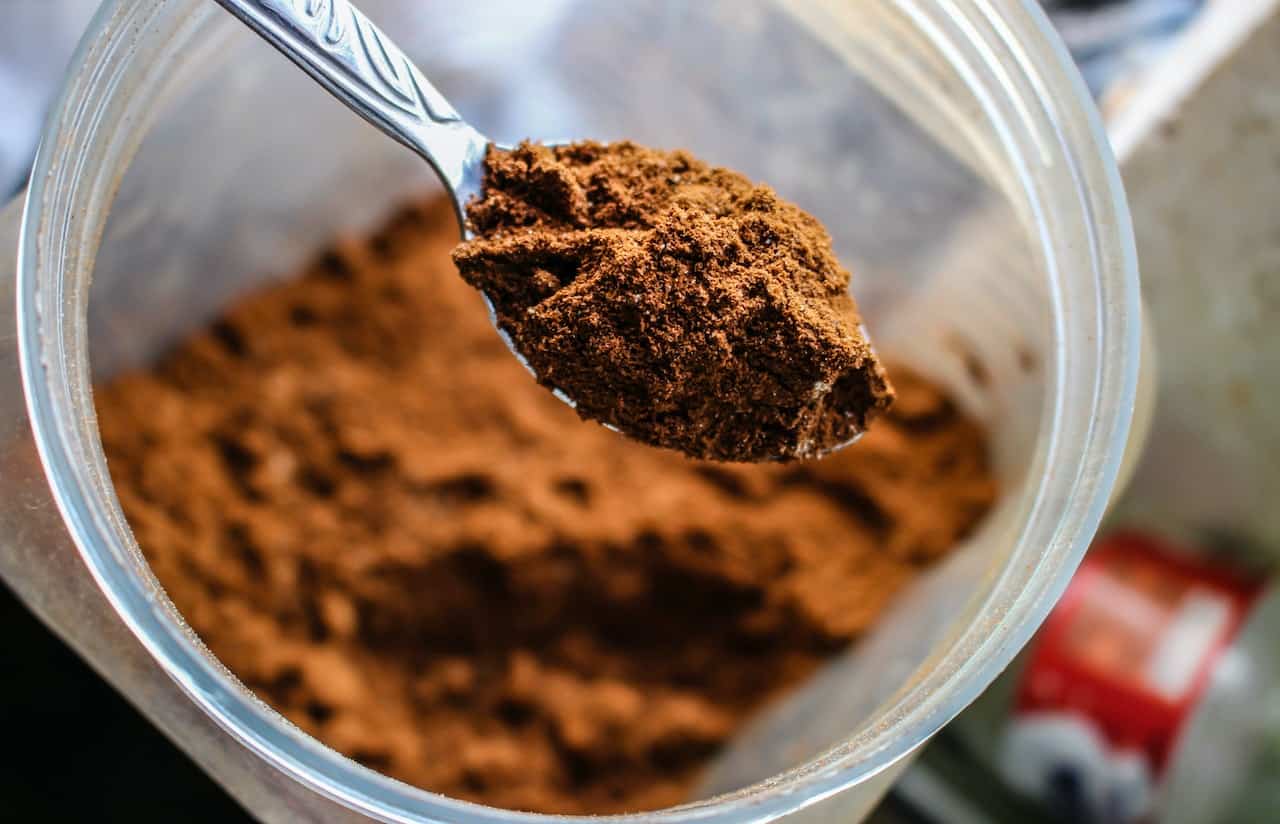
Protein powder has long been associated with muscle building and recovery. High-quality protein powders, such as whey, casein, or plant-based options like pea or hemp protein, are excellent sources of essential amino acids and can be a foundation for a nutrient-packed diet. But what makes protein powder truly remarkable is its adaptability – it can easily be integrated into various recipes, making it a valuable component in fortifying your meals with vitamins.

Vegetables are nature’s vitamin capsules, packed with an array of vitamins, minerals, and antioxidants. Incorporating a colorful variety of vegetables into your diet is essential to ensure you’re getting a broad spectrum of nutrients. Think of each color as a different set of vitamins and minerals – reds bring lycopene, oranges deliver vitamin C, greens provide folate and vitamin K, and so on.

Conclusion

Incorporating protein powder with vegetables into your diet is a creative and efficient way to ensure your body receives the vitamins it needs for optimal health. From invigorating smoothies to hearty veggie patties and vitamin-packed pasta, the possibilities are endless. By harnessing the power of protein powder and the nutrient-rich goodness of vegetables, you’re not only taking care of your body’s protein requirements but also fueling it with a spectrum of vitamins and minerals that are essential for overall well-being. So, embrace this innovative combination and embark on a journey of nourishment that caters to both your taste buds and your health goals.

Main photo: samer daboul/pexels.com

Sponsored txt

Add comment

Your email address will not be published. Required fields are marked *

*

5 × 3 =

Latest articles
Recommended articles
New Men’s Hairstyles for the Upcoming Season
|
New Men’s Hairstyles for the Upcoming Season
Are you looking to spruce up your style for the upcoming season? Look no further than the latest men’s hairstyles! From textured pomps to messy crops, there is something for everyone.
New trends in interior decoration – kitchen
|
New trends in interior decoration – kitchen
Decorating a home is one of the more enjoyable activities, even if you don't have much knowledge in this area
How to care for white shirts?
|
How to care for white shirts?
Every man has his favorite white shirt in his closet. However, not everyone knows how to take care of it. Collar, cuffs, sleeves, button fastenings - shirts have a complex cut full of many nooks and crannies that can easily get dirty or damaged. If you're tired of deodorant stains, folds, and other signs of premature wear and tear on this garment, read this article. Here's how to take care of your white shirts. Buy quality shirts First of all, remember that you should always, or at least often, put quality over quantity. A 65% polyester and 35% cotton shirt made in Bangladesh for £50 will not last you for years, even if you try to look after it. Although the price is not a guarantee of quality, it is worth paying attention to the material. Look closely at what the shirt is made of, how it is finished and make a checklist of points to check. When all of these points are "ticked off," you will know that a particular shirt will last with you for at least a few years Don't always wear the same shirt A practical rule of thumb for keeping clothing in good condition is to avoid over-wearing it. Just like with a pair of nice shoes, don't put on the same white shirt several times a week! The more times you put it on, the sooner you'll have to say goodbye to it Choose the right wash program The washing machine is a good friend to men, but it can quickly become your clothes' worst nightmare. For white shirts, try to follow the directions on the label. If you're not sure how to wash your shirt, don't go above 40° and don't wash it by hand. Also take care of the washing cycle, do not overload the machine and pay attention to the colors of the clothes you put into it. Wash white shirts only with other white clothes and use a special white washing powder. If necessary, use a stain remover before washing Avoid the dryer, just use a good hanger Once your shirt is clean, take it out of the washing machine as quickly as possible so that it doesn't wrinkle too much and absorb the unpleasant smell caused by moisture. Even if you have the option of putting it in the dryer, don't. Your best bet is to lay the shirt out on a fairly large wooden rack and stretch its sleeves well to keep them from creasing. This will make ironing easier later Make sure the shirt is clean before ironing Before ironing, take a close look at your shirt to verify that it is clean. If there is still a little dirt on it, wash it again and then let it dry. Stubborn stains can come from laundry detergent if you poured too much of it into the washing machine. Hang up your shirt properly If your shirt is clean and ironed, it's time to put it in the closet. After ironing, wait for the fabric of the shirt to cool down. Avoid metal hangers that can distort the sleeves. The hanger should be made of wood or plastic with fairly wide edges and, if possible, rounded on the sides Make sure your deodorant has dried before you put on your shirt Deodorants in beads or sprays provide an "anti-yellow stain" effect. However, yellowish underarm stains can still appear on your white shirt. To solve this problem, remember to wait for the deodorant to dry before you put on your shirt. Wet deodorant should not come in direct contact with the fabric