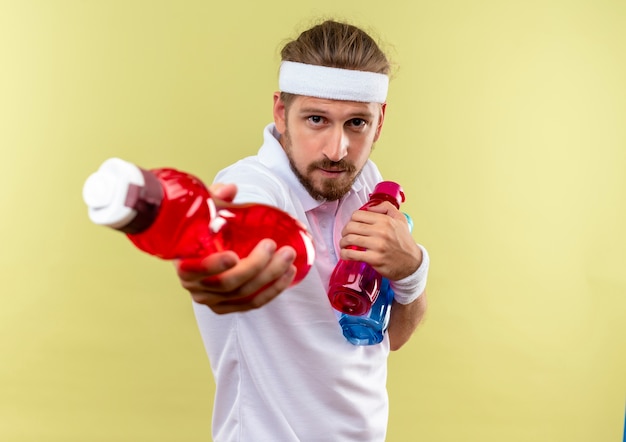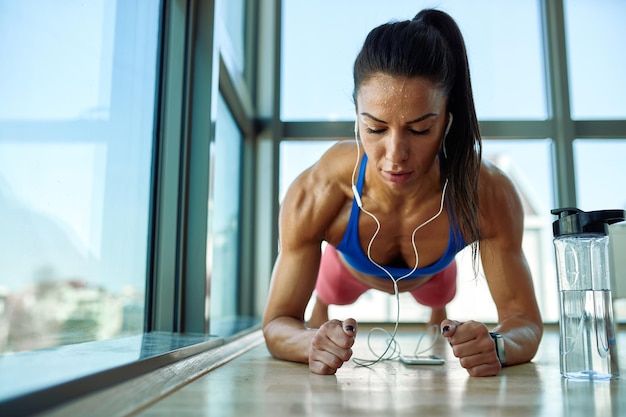
Exercise is not just about burning calories and sculpting muscles. We also lose a lot of water from the body during training. However, proper hydration is so important that it actually increases athletic performance.
The body is made up of about 60 percent water. It has infinite functions in the body: it takes part in metabolic processes, supports concentration, and protects internal organs. It is water that enables us to function every day, and our body works at top speed. No wonder then that proper hydration of the body has a positive effect on sports performance.
During intense workouts, the body loses a lot of water through sweating. The daily recommendation for water intake is 2.5 liters. It is difficult to determine the additional portion of water in the diet, because it depends on many factors. From training intensity, body weight to weather conditions. The rule of thumb is to drink enough water to avoid the feeling of thirst. Proper hydration is an integral part of any workout to make your athletic performance better than ever before.
Read also ADD THESE EXERCISES TO YOUR DAILY WORKOUT AND YOU’LL LOSE WEIGHT FASTER
Main photo: Logan Weaver/unsplash.com