Trending

The dirtiest places in the house – where do most germs accumulate?

|
|
It takes approx. 3 minutes to read this article

Not all bacteria are harmful. Your body contains many bacteria that do not make you sick. But some of the dangerous types, such as E. Coli, Salmonella, Staphylococcus aureus and also fungi and mold can often be found in various places in your home. Which ones in particular should you pay attention to?

Additionally, the SARS-COV-2 virus, the cause of the current COVID-19 pandemic, can linger on various surfaces for hours or even days. Bacteria and viruses spread by moving from person to person or just from surface to surface.

The easiest places to spot contamination are the obvious ones – food scraps on kitchen countertops, stains on the shower stall or a pile of laundry clothes. But what about those places where we don’t see dirt at first glance? These are the ones that can affect your and your family’s health.

Areas where food is stored and prepared tend to have the most bacteria than other places in your home. Dishwashing sponges and cloths are the most friendly surfaces for them. Because of the moisture and food debris that can get on them, they are the perfect place for them to thrive. Other things that are in your kitchen that need more frequent cleaning are cutting boards, coffee makers, and the refrigerator – especially surfaces that have uncooked or unwashed food on them. You should also take care of the sink and countertops, which usually come into frequent contact with food.

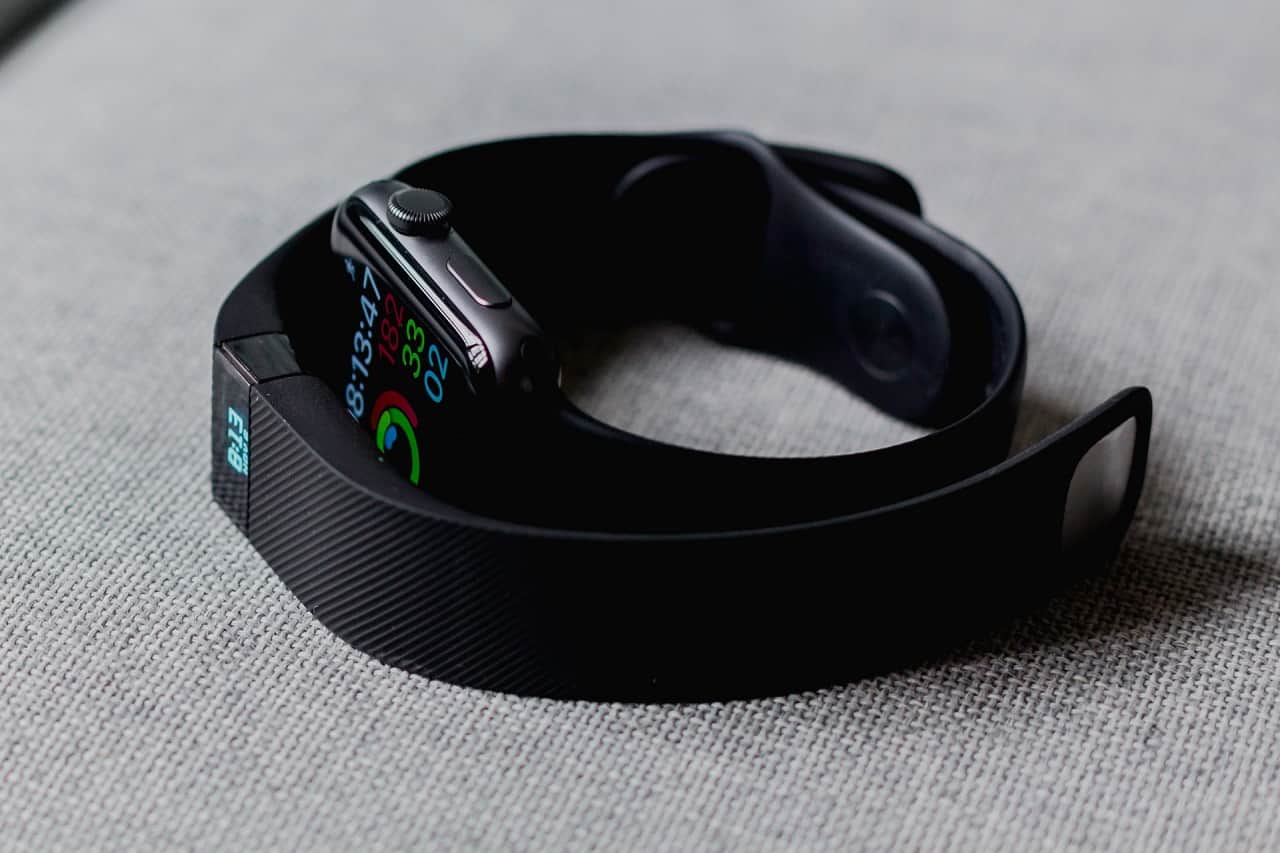
Other places where there are most bacteria are the things we touch most often. These include doorknobs, light switches, door handles on fridges, microwaves and ovens as well as taps on sinks and washbasins. Things that are often infested with germs include our cell phones, computer keyboards and mice, and TV remotes and game controllers.

We can’t forget about the bathroom. It is a warm and humid place, so special attention should be paid to keeping the toilets clean, changing towels and rugs frequently and making sure the drains in the bathtub, shower and sink are unobstructed.

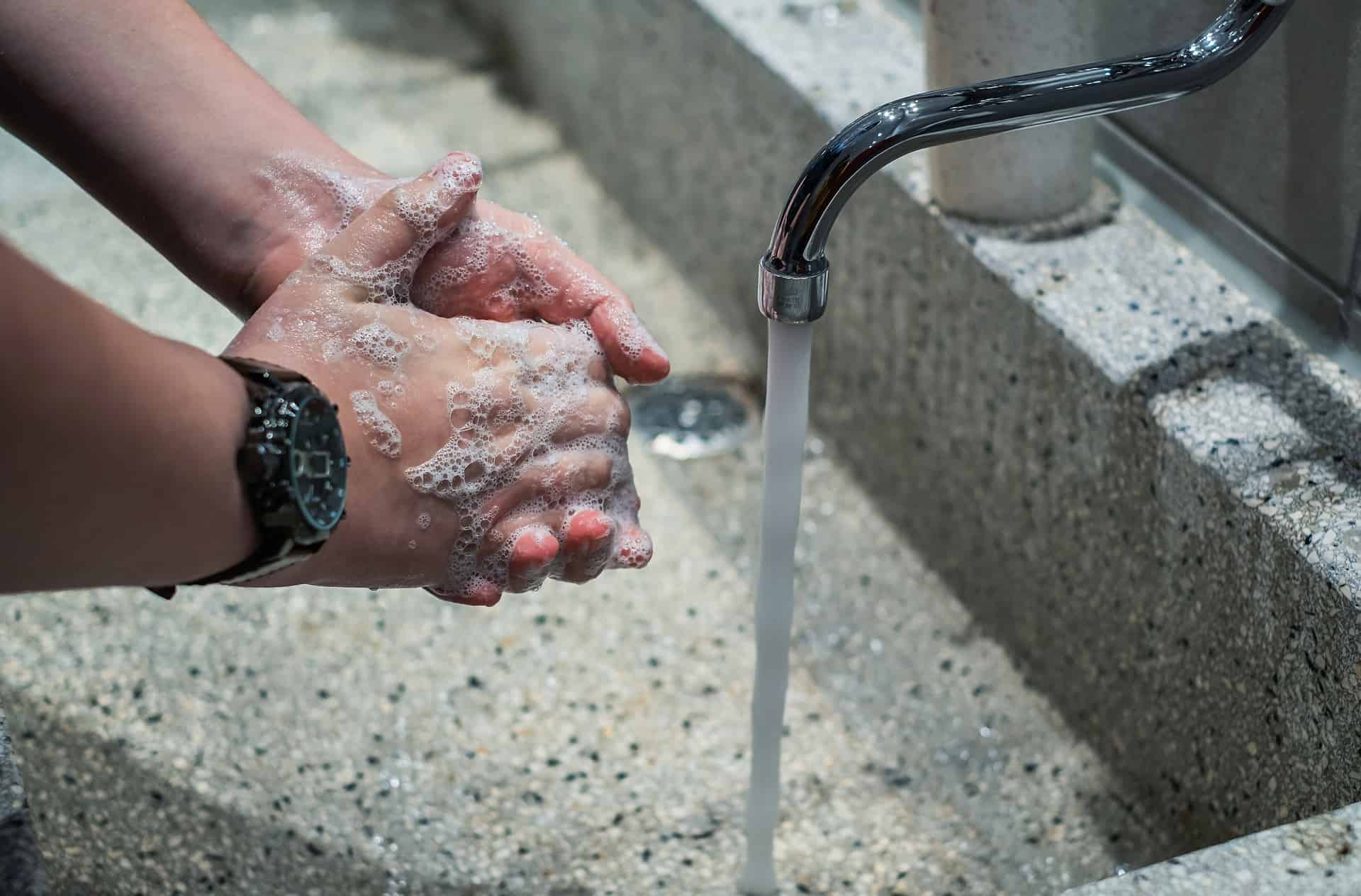
The most important thing to keep clean, not just while at home, is our hands. Washing our hands for 20-30 seconds with warm water and soap is the best way to prevent the transmission of bacteria and germs to other people and the surfaces we use.

Read also: HOW TO GET RID OF BAD FOOT ODOR ONCE AND FOR ALL?

Main photo: Couleur/ pixabay.com

Add comment

Your email address will not be published. Required fields are marked *

*

eleven + 11 =

Latest articles
Tags
Recommended articles
What to wear the half shoes with?
|
What to wear the half shoes with?
Wondering how to compose an outfit with half shoes? Here are some suggestions.
How to Avoid Tartar on Your Teeth
|
How to Avoid Tartar on Your Teeth
Maintaining good oral hygiene habits and visiting a dental hygienist regularly is the best way to ensure that tartar does not accumulate on your teeth
How to care for white shirts?
|
How to care for white shirts?
Every man has his favorite white shirt in his closet. However, not everyone knows how to take care of it. Collar, cuffs, sleeves, button fastenings - shirts have a complex cut full of many nooks and crannies that can easily get dirty or damaged. If you're tired of deodorant stains, folds, and other signs of premature wear and tear on this garment, read this article. Here's how to take care of your white shirts. Buy quality shirts First of all, remember that you should always, or at least often, put quality over quantity. A 65% polyester and 35% cotton shirt made in Bangladesh for £50 will not last you for years, even if you try to look after it. Although the price is not a guarantee of quality, it is worth paying attention to the material. Look closely at what the shirt is made of, how it is finished and make a checklist of points to check. When all of these points are "ticked off," you will know that a particular shirt will last with you for at least a few years Don't always wear the same shirt A practical rule of thumb for keeping clothing in good condition is to avoid over-wearing it. Just like with a pair of nice shoes, don't put on the same white shirt several times a week! The more times you put it on, the sooner you'll have to say goodbye to it Choose the right wash program The washing machine is a good friend to men, but it can quickly become your clothes' worst nightmare. For white shirts, try to follow the directions on the label. If you're not sure how to wash your shirt, don't go above 40° and don't wash it by hand. Also take care of the washing cycle, do not overload the machine and pay attention to the colors of the clothes you put into it. Wash white shirts only with other white clothes and use a special white washing powder. If necessary, use a stain remover before washing Avoid the dryer, just use a good hanger Once your shirt is clean, take it out of the washing machine as quickly as possible so that it doesn't wrinkle too much and absorb the unpleasant smell caused by moisture. Even if you have the option of putting it in the dryer, don't. Your best bet is to lay the shirt out on a fairly large wooden rack and stretch its sleeves well to keep them from creasing. This will make ironing easier later Make sure the shirt is clean before ironing Before ironing, take a close look at your shirt to verify that it is clean. If there is still a little dirt on it, wash it again and then let it dry. Stubborn stains can come from laundry detergent if you poured too much of it into the washing machine. Hang up your shirt properly If your shirt is clean and ironed, it's time to put it in the closet. After ironing, wait for the fabric of the shirt to cool down. Avoid metal hangers that can distort the sleeves. The hanger should be made of wood or plastic with fairly wide edges and, if possible, rounded on the sides Make sure your deodorant has dried before you put on your shirt Deodorants in beads or sprays provide an "anti-yellow stain" effect. However, yellowish underarm stains can still appear on your white shirt. To solve this problem, remember to wait for the deodorant to dry before you put on your shirt. Wet deodorant should not come in direct contact with the fabric